Body Image and Dating Over 50: What’s Really Holding You Back
November 20, 2025
(A version of this article previously appeared on 60 And Me)
In response to a recent article about reasons not to date common in women over 50, I received this comment:
“All valid points. What is holding me back is my weight (overweight now) and having been celibate for over 10 years, the thought of intimacy. My body has cellulite, rolls of fat, wrinkles, spots, etc.”
Unfortunately, this is one of the most common concerns among older women re-entering the dating scene—especially after a long break, a divorce, or other major life changes.
If you are one of those women who looks in the mirror and criticizes what you see—your face, neck, arms, breasts, hips, thighs, tummy, tush, or veins, your wrinkles, your age spots, or your rolls (oh, the list goes on!)—you are not alone.
But you do have a poignant choice to make.
My Moment of Truth
I had my own moment of truth years ago, long before I was coaching women over 50 in dating and relationships. I was looking in the mirror, hating what I saw, and slowly abandoning my sex life—not because I wasn’t interested, but because of body changes and not wanting to deal with the whole fact of having a body!
I was tired, not just from hormonal changes and weight gain, but from constant negative body image thoughts and comparisons to other women.
What I chose next changed everything. (I’ll tell you what that was in a moment.)
As a Dating Coach for Women Over 50
I’ve now coached thousands of women our age on dating, self-worth, and body confidence. Out of the 34 possible obstacles to finding and maintaining healthy love, this one—poor body satisfaction and low self-esteem around appearance—is on almost everyone’s list.
And here’s the inflection point you face. You have 3 choices:
Choice #1: Give Up
You can keep beating yourself up, blaming yourself, your age, metabolism, social media, and Western culture for your insecurities. You can stay in the cycle of shame eating, overanalyzing your body size, and comparing yourself to young women. And do nothing about it. You may try to anesthetize the bad feelings with food itself or other distractions like scrolling or taking care of other people.
Warning: most people who choose this path just end up playing what I call “misery poker.” Who has it worse? Who’s gained more? Who’s been celibate longer? It's a popular choice, but not a happy one or an inexpensive one.

With this choice, you are likely to go in for quick (or unproven) fixes from the wellness industry or flirt with plastic surgery options, only to feel temporarily hopeful—and ultimately more disconnected from your own body. And then you'll be right back to "giving up." You'll feel powerless, and you'll surround yourself with others who feel the same and validate that powerlessness, but deep down you'll know you are cheating yourself of some sorely needed self-love.
Choice #2: Accept Your Body Exactly as It Is
This one takes real courage. It means asserting that your physical appearance is not a problem to be solved.
The right person—the right match—will love you exactly as you are.
There are men who love rolls, don’t even notice cellulite, and think wrinkles are sexy. For every man turned on by a youthful appearance and trim physique, there are several more who crave someone their own age who has curves and takes good care of themselves, someone who radiates positive body image and confidence. People of all body shapes and sizes are in loving relationships, and you know it!
Self-love and acceptance are magnetic. Loving yourself shows up in your body language, your laughter, and how you carry yourself at a dinner date or when meeting new people on dating apps.
But this choice of acceptance only works if you truly embody it. You can’t fake body love.
Reminder: Men aren’t nearly as critical as you are of yourself.
(If you don’t believe me, read my post on what men actually want.)
Choice #3: Change What You Can, Accept What You Can’t
This one is the hardest—and the most balanced. It starts by acknowledging that, yes, your body changes over time. Fat distribution shifts. Hormonal changes and menopause alter your body in countless ways.
But you can influence your physical fitness, your well-being, and your attitude toward yourself. Small consistent actions—a daily walk, strength training, how you eat and drink—boost body confidence and vitality faster than any “quick fix.”
This was the choice I made. It started by changing my relationship to sugar, because it was doing the most damage to my body, moods, and self-esteem. As soon as I cut sugar, I felt better, rested better, slimmed down, and started to feel sexy again. Plus, without the food as comfort, I could start imagining being physically intimate again. Hmmmm. There's a connection there!
You too can feel sexually attractive, powerful, and desirable again.
What if the simple decision to prioritize your own health and vitality needs is what reignites your love life and opens you to a new romantic relationship?
What if the thing you've been calling the reason NOT to date could be the impetus to take better care of yourself so you DO feel like dating?
This is where the support of a coach or safe space—like my group coaching—can make a world of difference. Maybe all you need are positive influences, accountability, and someone to remind you: you are still a catch if you would only realize it and treat yourself like one.
The Truth About Attraction and Confidence
Here’s what I’ve learned in my years of experience coaching women daters:
The less you think of yourself, the lower caliber partner you attract.
Your perceived dating pool reflects your own level of self-love. It’s just another reason to really focus on how you treat yourself before turning your attention to the attention of others.
The right man will love your body exactly as it is.
But your love for your body—your acceptance, your sensuality, your confidence—is what brings him close and keeps him there.
Finding and enjoying love after 50 isn’t about changing this or that about your body shape, per se; it's about reclaiming true body satisfaction and feeling as alive as humanly possible. We only have a short time here on earth. Please do not waste one more minute hating on any part of your body.
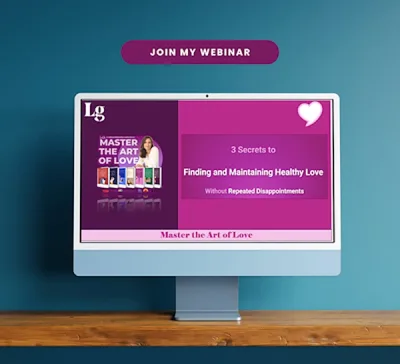
Want to learn a better way of dating, one that helps save you from repeated disappointments? I made this free webinar for you.
Coaching:
If you’re struggling with negative feelings about your body, intimacy, or dating over 50, don’t go it alone. Join my Master the Art of Love community, where we give each other the support we need to love ourselves so we can love others.
You’ve lived through more than most people. You’re wiser, braver, and more capable of deep intimacy than ever before. So please—don’t let poor body image rob you of your next great love story.
You deserve love, joy, and pleasure in this beautiful stage of life.
Love,
FAQs: Body Image and Dating Over 50
1. Is it normal to feel insecure about my body when dating over 50?
Absolutely. Many older women experience negative body image after menopause, weight gain, or a long break from intimacy. What matters most is learning to rebuild body confidence and self-acceptance. Your physical changes tell the story of your life—they don’t diminish your worth or your desirability.
2. How can I boost my body confidence before a first date?
Start small: wear something that makes you feel sexy and comfortable, move your body in a way that feels good, and speak to yourself kindly. Remember, your date isn’t overanalyzing your body like you are—they’re responding to your energy. Confidence and positive body language are far more magnetic than a "perfect" figure.
3. Do men really care about wrinkles, cellulite, or weight?
In my 20+ years as a dating coach for women over 50, I’ve seen that most men don’t care nearly as much as women think. Many men in this age group value emotional connection, humor, and confidence over a certain physical appearance. The right person will appreciate your vitality, and so many other things about you and your body.
4. How do I deal with low sexual desire or fear of intimacy after menopause?
Low sexual desire, vaginal dryness, and changes in libido are common for older adults, but they don’t have to end your sex life. Talk with your healthcare provider about physical health options, and work on reconnecting emotionally with your own body. Feeling safe, sensual, and self-accepting reignites attraction—at any age.
5. What’s the best way to love my body and still want to make changes?
You can do both. Positive body image isn’t the same as giving up—it’s about caring for yourself from a place of self-respect, not punishment. Accept what you can’t change (like age or stretch marks), and change what you can (like energy, posture, or nutrition). This balanced mindset attracts healthier relationships and greater self-esteem.